Fridge and Appliance Removal: Smart, Safe, and Sustainable Choices
Removing old refrigerators and large appliances is a common household task that can feel overwhelming. Whether you're upgrading to energy-efficient models, clearing space during a move, or addressing a broken unit, proper fridge and appliance removal ensures safety, compliance, and environmental responsibility. This article explores the essential considerations, the removal process, disposal options, and best practices to make the experience efficient and sustainable.
Why Proper Fridge and Appliance Removal Matters
Discarding large appliances incorrectly can lead to safety risks, fines, and environmental harm. Modern refrigerators contain refrigerants and other materials that require careful handling. Improper disposal may release harmful gases, contaminate landfills, or hinder recycling efforts. In addition, moving heavy appliances without the right equipment can cause injuries and property damage.
Well-managed removal protects your household and the environment. It also helps reclaim valuable materials—like steel, copper, and plastics—that can be recycled into new products.
Key Benefits of Responsible Appliance Removal
- Environmental protection: Prevents hazardous substances from entering ecosystems.
- Resource recovery: Ensures metals and plastics are recycled and reused.
- Legal compliance: Meets local disposal regulations and avoids fines.
- Safety: Reduces risk of injuries during transport and handling.
- Convenience: Professional services save time and provide proper documentation when needed.
Typical Removal Process
Understanding the typical stages of fridge and appliance removal helps you plan and choose the right option. The basic sequence includes preparation, disconnection, transportation, and disposal or recycling.
1. Preparation and Assessment
Before removal, inspect the appliance and its surroundings. Important considerations include:
- Size and weight: Refrigerators and freezers come in a range of weights—often several hundred pounds.
- Access and clearance: Measure doorways, staircases, and hallways to ensure a feasible route.
- Condition: Note if the appliance is working, leaking, or contains ice or water that must be drained.
Taking accurate measurements and noting special challenges reduces delays and unexpected costs.
2. Disconnection and Safety Steps
Electrical and plumbing connections must be handled with care. Always:
- Unplug the appliance and wait for internal components to reach safe temperatures.
- Shut off water lines for ice makers or water dispensers and drain remaining water to prevent leaks.
- Secure doors with tape or straps to prevent swinging during transport.
Professional teams often follow strict protocols for removing refrigerants and hazardous components, which is required in many jurisdictions.
3. Transportation and Handling
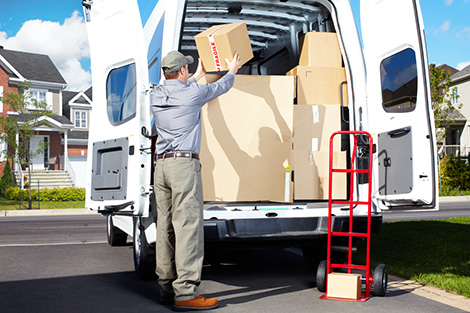
Moving large appliances requires appropriate equipment—dollies, straps, pads, and sometimes a ramp or lift gate. Professionals reduce the risk of damage and injury by using the correct techniques and protective materials.
For tight spaces or multiple flights of stairs, specialized crews may be necessary. If you choose to handle the removal yourself, recruit helpers and use proper lifting mechanics to avoid back injuries.
Disposal Options: Recycling, Donation, and Responsible Junk Removal
There are several environmentally preferable options for old fridges and appliances. Selecting the right path depends on the appliance's condition, local regulations, and available services.
Recycling
Recycling is often the best choice for non-working units. Certified recycling centers remove refrigerants, salvage metal and plastic components, and manage hazardous waste according to environmental standards. Look for facilities that comply with local and national recycling rules to ensure proper treatment of ozone-depleting substances and refrigerants.
Donation and Resale
If the appliance is still functional, consider donation or resale. Charitable organizations, shelters, or second-hand stores may accept working appliances, though pickup policies and acceptance criteria vary. Resale through online marketplaces can also extend an appliance's useful life and reduce waste.
Professional Junk Removal Services
Full-service junk removal companies handle pickup, transportation, and disposal or recycling on your behalf. Choosing a reputable provider with clear environmental policies increases the likelihood that your appliance will be recycled rather than landfilled. Ask prospective services about their recycling rates, certifications, and methods for refrigerant recovery, even though contact information is not part of this article.
Environmental Considerations and Regulations
Many jurisdictions enforce specific rules for refrigerant-containing appliances because of their potential to harm the ozone layer and contribute to greenhouse gas emissions. Key points to know:
- Refrigerant recovery: Only certified technicians should recover refrigerants before disposal.
- Documentation: Some areas require documentation or receipts for proper disposal to show compliance.
- Manufacturer take-back: Certain manufacturers offer take-back or recycling programs for older units.
Following local regulations and working with certified recyclers reduces environmental impact and keeps you on the right side of the law.
Costs, Pricing Factors, and What to Expect
Costs vary depending on service choice, location, appliance size, and complexity of removal. Typical pricing factors include:
- Pickup logistics: Stairs, narrow corridors, and long carrying distances increase labor time.
- Appliance type: Larger or heavier appliances can cost more to remove.
- Disposal fees: Recycling or hazardous waste processing may have associated charges.
- Seasonal demand: Peak moving seasons can affect availability and price.
Transparent vendors provide clear estimates that account for these elements. If you plan ahead and prepare the appliance, you can reduce labor time and cost.
Safety Tips for DIY Removal
If you decide to remove a fridge or appliance yourself, prioritize safety and preparation:
- Turn off and unplug the appliance and allow it to defrost thoroughly.
- Drain water from ice makers or bottom pans to prevent spills.
- Secure doors and protect the unit with moving blankets to prevent dents and scratches.
- Use proper equipment: An appliance dolly, straps, and gloves are essential.
- Get help: Never attempt to move heavy appliances alone—use at least two or three people.
Remember, certain tasks such as refrigerant recovery should only be handled by licensed professionals.
Sorting What to Remove and What to Keep
Before the removal day, do a quick inventory of the appliance and adjacent items. Remove food, magnets, shelves that can be broken, and any personal items. If the appliance is being removed for replacement, coordinate removal timing to avoid extended gaps in refrigeration.
Sometimes, smaller components—like metal shelving or compressors—may be salvageable for recycling or repurposing. Discuss these options with the recycler or removal service.
Common Questions and Final Considerations
Can I leave my old fridge curbside?
Many municipalities have special curbside programs but often require prior scheduling, certification for refrigerant recovery, or specific placement rules. Leaving appliances curbside without authorization can result in fines or improper disposal.
Is it better to recycle or donate?
Donate if the appliance is safe, functional, and accepted by the recipient. Recycle if it's not working or if donation is not feasible. Recycling ensures components are properly handled and hazardous materials are managed.
How soon should I schedule removal?
Plan removal around delivery of new appliances when possible to avoid prolonged loss of refrigeration. Scheduling in advance also helps secure a reliable removal slot and often reduces costs.
Fridge and appliance removal doesn't have to be stressful. By preparing in advance, choosing responsible disposal options, and prioritizing safety, you minimize environmental impact and keep your home safe. Whether you opt for professional removal, donation, or certified recycling, the right approach protects both people and the planet.