Twickenham Stadium Removals and Match Day Move Tips
If you are trying to plan a removal near Twickenham Stadium, you already know the basic problem: the calendar looks innocent, then match day turns the whole area into a different world. Roads clog up, loading gets awkward, and even a short move can take longer than you expected. That is exactly why Twickenham Stadium removals and match day move tips matter. With the right planning, you can avoid the usual headaches, protect your belongings, and keep the day moving instead of fighting it.
This guide covers how match day logistics affect a local move, what to do before the van arrives, how to keep access clear, and where people most often trip up. It is practical, local, and grounded in the kind of detail that actually helps when the street is busy and the clock is ticking.
Why Twickenham Stadium removals and match day move tips Matters
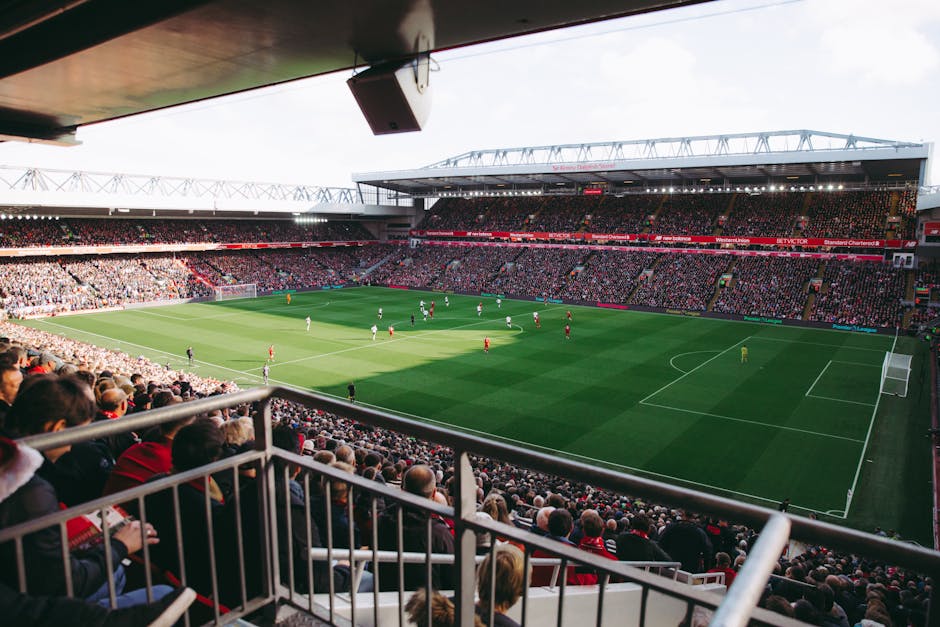
Twickenham is not just another part of south-west London. On major rugby days, the area around the stadium changes shape. Travel times shift, parking becomes tighter, and normal loading routines can suddenly feel like a small puzzle with a time limit. If your move lands on one of those days, the difference between a calm job and a stressful one often comes down to preparation.
There is also the simple fact that removals are already full of moving parts. Boxes, furniture, fragile items, keys, timing, lifts, neighbours, access. Add match day traffic, road closures, or crowds stepping off trains with scarves and pints in hand, and the pressure rises quickly. That is why planning around stadium activity is not overthinking. It is sensible.
In our experience, people often underestimate the small delays. A van that cannot park where expected. A front door blocked for ten minutes. A lift waiting because someone else is using it. None of these are dramatic on their own. Together, they can derail a tidy schedule. So yes, match day move tips are about efficiency, but they are also about protecting your energy. Let's face it, moving day is tiring enough already.
If you are managing a household move, a flat clearance, or a small business relocation in the Twickenham area, it helps to work with a team that understands the local pattern. Services such as man with van support or home move help can be especially useful when the route, timing, and load size all need a bit of flexibility.
How Twickenham Stadium removals and match day move tips Works
The basic idea is simple: you build your move around the stadium schedule rather than fighting it. That means checking likely traffic pressure, choosing the right collection window, and planning loading and unloading in a way that reduces time on the street. On paper, that sounds easy. In practice, it means being a bit ruthless with timing and a bit smart with access.
A stadium-adjacent removal usually works best when you break the job into stages:
- Pre-move planning - decide the move date, check whether a match or event is likely, and map out access points.
- Packing and prep - reduce loose items, label boxes, and separate what must travel first.
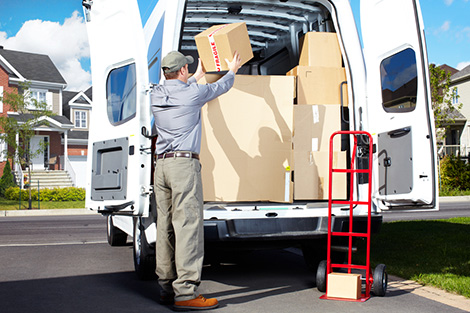
- Vehicle planning - use the right van or truck size for the volume, so you do not need multiple awkward trips.
- Street strategy - identify where the vehicle can stop safely for loading and whether extra carrying distance is likely.
- Arrival timing - aim for a window that avoids the worst crowd build-up before kick-off and the rush after it.
A good local moving team will usually think about access before they think about lifting. That is the right order. A sofa is only a sofa until you are trying to get it through a tight doorway while the road outside is filling up. Then it becomes a planning exercise. A slightly annoying one, too.
If you need help with packing, you may also want to look at packing and unpacking support, which can save a lot of time when you are working to a narrow slot. For larger household moves, house removalists or removal truck hire may make more sense than trying to do everything yourself with a smaller vehicle.
Key Benefits and Practical Advantages
There are a few clear reasons why careful planning pays off around Twickenham Stadium.
- Less time lost in traffic - a well-timed move avoids the worst crowd surges and helps the crew stay on schedule.
- Lower stress - if you know where the vehicle will stop and how the route works, the day feels much calmer.
- Fewer damages - rushed carrying increases the chance of knocks, scuffs, and drops. Simple as that.
- Better neighbour relations - shorter loading times and tidier parking are less disruptive to people living nearby.
- More flexible problem-solving - when one access point is busy, you have time to use another route or adjust the sequence.
There is also a financial angle, although it is not always about saving a huge amount. A move that runs smoothly is less likely to need extra waiting time, repeated trips, or last-minute vehicle changes. That can matter just as much as the headline price. If you are comparing options, it is worth checking pricing and quotes in advance so you understand what is included and what may change if access becomes difficult.
Expert summary: around Twickenham Stadium, the best removals are rarely the fastest ones on paper. They are the ones that are timed well, packed properly, and flexible enough to absorb the local disruption without panic.
Who This Is For and When It Makes Sense
This approach is useful for a fairly wide group of people. You do not need to be moving a whole house to benefit from it.
- Families moving into or out of nearby streets
- Flat movers dealing with stairs, lifts, and tight loading space
- Students or renters with awkward check-in and check-out dates
- Small businesses relocating stock, fittings, or equipment
- People clearing bulky furniture before a sale or tenancy handover
It makes sense most when the move date is fixed or difficult to change. If you can move on a quieter day, great. But if your tenancy, completion date, or business handover locks you into a match weekend, then planning around the event is not optional. It is the difference between a tidy move and a rather fraught one.
For commercial customers, the same logic applies. Even a short office relocation can become messy if access is uncertain. In those cases, commercial move support or office relocation services may be a better fit than trying to improvise on the day. Truth be told, a moving day with deadline pressure and stadium traffic is not the time to wing it.
Step-by-Step Guidance
Here is a practical way to plan the move without making it more complicated than it needs to be.
- Check the event calendar early. If a home game, international fixture, or stadium event is likely, build the move around it rather than hoping to beat it.
- Choose the best arrival window. Early morning is often easier than late morning, but this depends on the specific day and your exact road. The main idea is to avoid obvious peak crowd movement.
- Clear the access route. Inside the property, move boxes away from hallways, stairs, and the front door. Outside, make sure the crew knows the safest loading point.
- Label and separate essentials. Keep keys, documents, chargers, medication, and one small overnight bag apart from the main load. You will thank yourself later.
- Disassemble only what needs it. Flat-pack items, bed frames, and large tables often move better when broken down. Do not dismantle more than necessary, though. That way lies chaos.
- Confirm vehicle size. A van that is too small creates extra trips. A vehicle that is too large can be awkward on tighter local roads. Balance matters.
- Plan for bulky disposals separately. Old appliances, mattresses, or worn sofas should not be left to become an afterthought on moving day.
- Keep communication simple. One person should be the main contact for the driver or removals team. Too many voices on the curb can slow everything down.
If you are getting rid of items before the move, a few related services can help keep the process tidy. For instance, mattress and sofa disposal is useful when bulky furniture will not be going to the new place. For appliances, fridge and appliance removal may prevent a lot of last-minute stress.
Expert Tips for Better Results
Some advice sounds obvious until you are the one carrying a wardrobe down the stairs at 7:30 in the morning. Here are the details that tend to make the biggest difference.
1) Build extra time into every stage
Not dramatic amounts. Just enough. A 20-minute buffer can save a move from feeling rushed if there is temporary crowding near the stadium or a delivery vehicle blocks the road for a few minutes.
2) Use the shortest carrying route, not just the nearest parking spot
Sometimes the "closest" place to stop is not actually the best if it means crossing heavier foot traffic. A slightly longer walk with a safer, simpler path is often the better call. You are aiming for smooth, not heroic.
3) Keep the load order sensible
Put the items you need first near the back or top of the load, depending on the vehicle and access method. Essentials should not be buried under garden furniture and the odd lamp shade from 2014.
4) Protect fragile items twice
Wrap breakables, then place them into well-sized boxes with filling around the edges. Around a busy stadium area, sudden braking and awkward handling are more likely than on a quiet suburban cul-de-sac.
5) Know which items need special disposal
Some items are better handled separately for safety and legality. If your move includes confidential papers, for example, confidential shredding is the cleaner route. For waste that should not go in general household rubbish, look at hazardous waste disposal and ask for guidance rather than guessing.
A small but useful note: on busy days, even the sound of a van door opening and closing can carry farther than you expect. Neighbours notice. Not in a dramatic way, just in a human way. So keep the loading area neat, keep the team briefed, and keep the pavement clear. It all helps.
Common Mistakes to Avoid
Most removal problems near Twickenham Stadium are avoidable. The mistakes are usually practical, not mysterious.
- Leaving timing too late - arriving at the same time as crowd build-up is asking for delays.
- Assuming access will be easy - always expect a little more walking or manoeuvring than you first picture.
- Underestimating bulky items - one sofa can reshape the day if you have not measured doorways and stair turns.
- Mixing waste with moving goods - disposal needs and removals should not be lumped together without a plan.
- Not checking insurance cover - it is sensible to understand what protection is included if something gets damaged in transit.
- Forgetting payment details - sorting this out before the move keeps the handover clean and avoids awkward admin at the roadside.
If you are comparing providers, it is worth checking how they handle security and customer payments. Pages like payment and security and insurance and safety are the kind of trust signals that should not be ignored.
Also, do not forget that a move day is not the time for optimism by itself. A little optimism is nice. A measured plan is better.
Tools, Resources and Recommendations
You do not need a lot of fancy equipment to make a local move work well, but a few basic tools can make life easier.
- Strong boxes for books, kitchenware, and mixed household items
- Marker pens and labels so rooms and priority items are clear
- Blankets and wrap to protect furniture edges and screens
- Gloves and tape for safer handling and quicker sealing
- Trolley or sack truck if the load is heavy and the route allows it
- Measure tape for checking doorways, lifts, and stair bends
For larger jobs, the right vehicle matters as much as the packing. A smaller job may be fine with a man and van service, while heavier or larger loads may need a moving truck or more formal truck hire. The right choice depends on volume, access, and how much lifting you want to do yourself.
If you are also reducing clutter before the move, the following can help keep the job cleaner and more organised: recycling and sustainability for greener disposal choices, furniture pick up for unwanted pieces, and what can go in a skip if you are trying to understand disposal boundaries. That last one is surprisingly handy. People often guess, and that is where mistakes begin.
Law, Compliance, Standards, or Best Practice
Even a domestic move has a compliance angle. You do not need a legal lecture, but you do need to be sensible.
For example, parking and stopping near a stadium area should always be treated carefully. Follow local restrictions, do not block entrances or emergency access, and make sure the vehicle is stopped in a way that is safe for people walking past. If there are event-day controls or temporary traffic changes, treat them seriously and build around them rather than trying to squeeze through.
On the waste side, mixed household rubbish, bulky unwanted furniture, appliances, and potentially hazardous materials should be handled with care. General best practice in the UK is to separate items that need specialist disposal rather than assuming everything can go together. If you are unsure, ask before loading. That is much easier than correcting a mistake later.
Insurance and handling standards also matter. A responsible mover should be able to explain how items are secured, what happens if access is tight, and how the team works safely around stairs, doorframes, and public spaces. You should not have to chase that information. It should be easy to understand from the start.
Accessibility can matter too. If someone in the household has mobility needs, or if the property has a challenging entrance, that should shape the move plan. Sometimes the best practice is simply to slow things down and choose the most direct, least stressful route. No drama. Just care.
Options, Methods, or Comparison Table
Here is a simple comparison of common moving approaches around Twickenham Stadium.
| Method | Best for | Strengths | Trade-offs |
|---|---|---|---|
| Man and van | Small to medium moves, flexible schedules | Quick to arrange, good for short local jobs, often easier on tight roads | May need more loading help for heavier items |
| Full removal truck | Larger home moves or bigger volumes | More capacity, fewer trips, better for bulky furniture | Can be less convenient on tight access routes |
| Packed service with loading help | Busy households, time-sensitive moves, customers who want less manual work | Saves time, reduces mistakes, helps with fragile items | Costs more than a basic self-pack approach |
| Self-managed move | Very small loads and highly organised movers | Lowest direct cost, full control | Highest stress, most physical effort, more vulnerable to match day delays |
For many readers, the practical middle ground is a flexible local vehicle with a crew that understands access. If you want more than a basic lift-and-shift but less than a full-scale household operation, a man with van option is often the sweet spot.
Case Study or Real-World Example
Here is a realistic example. A family moving from a flat close to the stadium had a completion day that landed on a busy match weekend. They could not change the date, which is a familiar little twist of fate in property moves. Instead of trying to "just get there and see," they planned the job in layers.
First, they packed non-essentials several days early and set aside one room for labelled boxes. Second, they separated the bulky sofa, bed frame, and dining table for careful loading first. Third, they arranged the vehicle to arrive before the main crowd build-up, not in the middle of it. They also cleared the hall and stairwell so the path stayed open. Nothing glamorous. Just disciplined.
The main win was not speed. It was control. The loading completed without repeated back-and-forth trips, the driver did not need to hunt for a stop point, and the family did not have to stand around watching the clock while the street filled up. By late afternoon, the room echo had gone from chaos to that calm, empty sound you only get after a big move is done. A bit dusty, a bit tired, but relieved.
If they had needed to clear leftover furniture, they could have paired the move with mattress and sofa disposal or booked additional help through furniture pick up. That would have kept the main move lean and prevented clutter from following them into the next home. Which, honestly, is half the battle.
Practical Checklist
Use this checklist before moving day. Keep it simple and tick things off as you go.
- Check whether a match or stadium event could affect access
- Confirm the move time and expected arrival window
- Measure large furniture and key doorways
- Separate essentials, valuables, and documents
- Label boxes by room and priority
- Clear hallways, stairs, and the front entrance
- Decide what is being moved, sold, recycled, or disposed of
- Arrange support for appliances or bulky furniture if needed
- Check payment details and service terms in advance
- Keep one person responsible for on-the-day communication
If you want to reduce the admin burden, it can help to review the service information first, including about the team and getting in touch so you know who to speak to if the plan changes. Also, if you want to understand how the business handles service expectations and customer information, pages like terms and conditions and privacy policy can be worth a quick look. Not exciting reading, admittedly. Still useful.
Conclusion
Twickenham Stadium removals are manageable when you respect the local rhythm. Match days change traffic, access, and timing, but they do not have to turn a move into a scramble. The best approach is straightforward: plan early, pack intelligently, choose the right vehicle, and give yourself enough breathing space to deal with the unexpected without panic.
That is the real lesson behind Twickenham Stadium removals and match day move tips. Not perfection. Just better control, better timing, and fewer surprises. If you get those right, the rest of the day tends to behave itself.
Get a free quote today and see how much you can save.
And when the last box is inside and the street noise finally softens again, you will know the effort was worth it. A good move has a way of giving you your weekend back.
Frequently Asked Questions
Can I move on a Twickenham Stadium match day?
Yes, you usually can, but it takes more planning than a normal day. The key is to check likely crowd pressure, allow extra time, and avoid blocking access routes. If your schedule is flexible, a quieter day is easier. If not, a well-organised move still works.
What time of day is best for moving near Twickenham Stadium?
Early arrival is often safer because it gives you more room before crowd movement peaks. That said, the best slot depends on the specific event, your road, and the type of property. A little buffer is better than arriving right on top of the rush.
Should I hire a man and van or a full removal truck?
It depends on volume and access. A smaller load, a flat, or a short local move may suit a man and van style service. Larger household moves or bulky furniture usually benefit from a bigger vehicle or removal truck hire.
How far in advance should I book a removal near the stadium?
As early as possible, especially if your date falls on a busy weekend or a public event. The earlier you book, the more likely you are to get a useful time slot and the right vehicle. Last-minute bookings can still work, but you may have fewer options.
What should I do with furniture I do not want to take?
Separate it from the main move and decide whether it will be sold, donated, recycled, or removed. Services such as furniture pick up or mattress and sofa disposal can help keep the move clean and efficient.
Do I need to worry about parking restrictions near Twickenham Stadium?
Yes. Always check the access situation carefully and expect event-day pressure. You should never assume there will be easy roadside space. A professional mover should plan for safe loading and unloading, not just hope for the best.
Is packing service worth it for a local move?
For time-sensitive moves, yes, it can be. Packing help reduces stress, speeds up loading, and lowers the chance of damaged items. If you are doing everything yourself, make sure fragile items and essentials are packed separately.
What items need special handling during a move?
Appliances, large furniture, confidential documents, and any potentially hazardous items need more care than standard boxes. For example, fridge and appliance removal and confidential shredding are sensible options where relevant.
How can I keep moving day stress down?
Use labels, pack early, keep essentials separate, and choose a realistic time window. Also, keep one person in charge of communication. Small things help more than people expect. A calm move is usually a planned move.
What if my move date cannot be changed?
Then you adapt the plan. Build in extra time, simplify the load, and choose the most practical access point. A move on a busy day is still very doable when the route, vehicle, and packing are organised properly.
How do I know whether a removal company is reliable?
Look for clear service information, straightforward pricing, sensible safety standards, and transparent terms. It also helps when the company explains its approach to insurance and safety and provides practical detail rather than vague promises.
Can I combine moving and rubbish removal on the same day?
Sometimes yes, but it is better to plan it carefully. If the job includes bulky waste or awkward items, separate those tasks where possible so the main move stays efficient. If you are unsure what belongs where, review disposal guidance first rather than guessing.